

 Back
Back
The region is finalizing its first-in-the-nation rule to limit the sale of polluting gas water heaters, which will take effect next year.
In 2023, the San Francisco Bay Area’s air district passed first-in-the-nation rules setting zero-emissions limits on home heating systems and water heaters. Now, the agency is working to address affordability concerns ahead of the water-heater rule’s finalization this year — and defuse calls from some regulators to scrap the policy altogether.
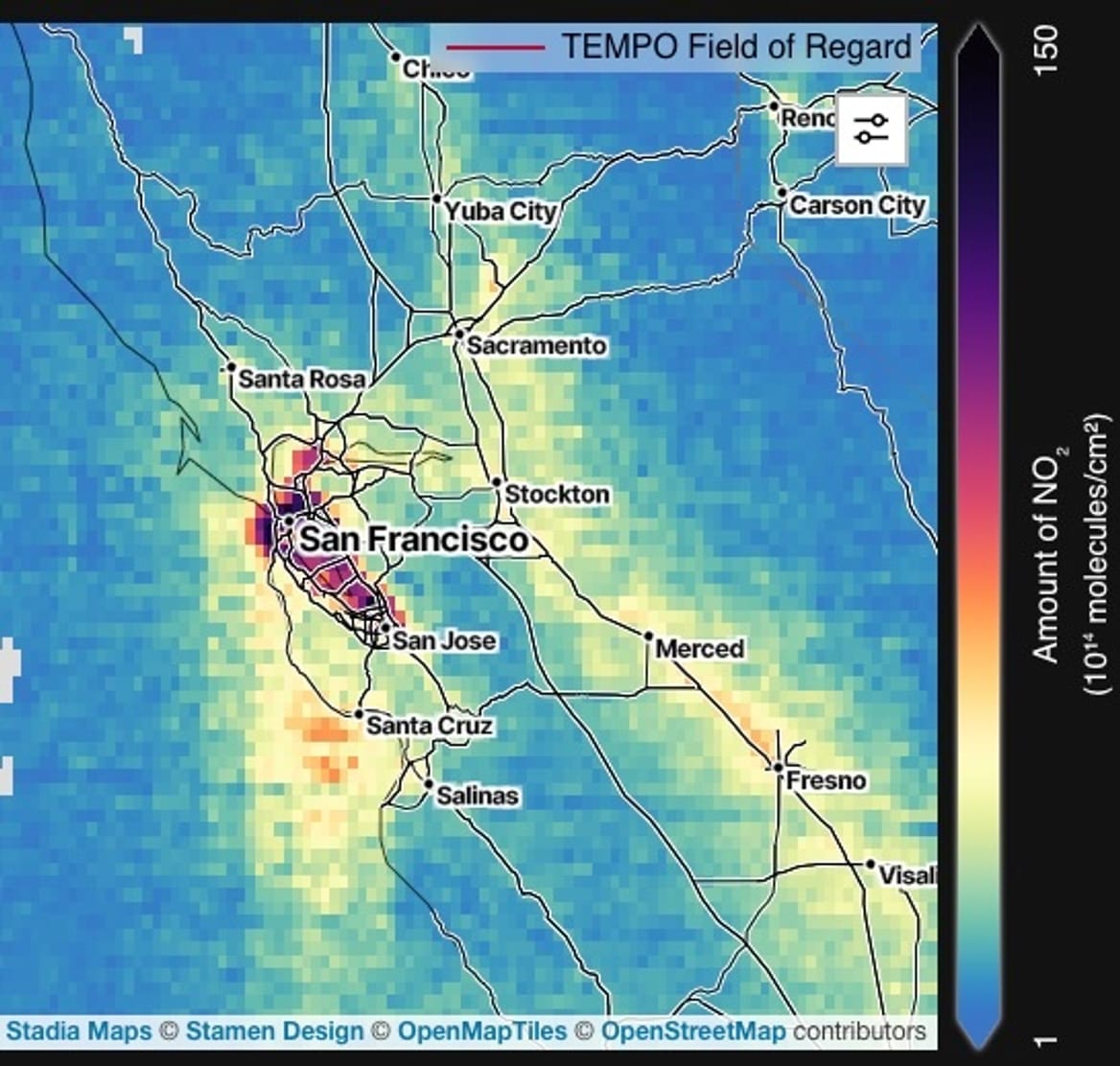
In their current form, the regulations would effectively prohibit the sale of gas appliances, beginning with water heaters in 2027 and then furnaces in 2029. Gas appliances spew noxious compounds, including nitrogen oxides (NOx) that contribute to the region’s smog. Pollution from furnaces and water heaters leads to as many as 85 early deaths in the community each year, the air district estimates. Those deaths, combined with illnesses and hospital visits, take a financial toll of up to $890 million annually.
But clean alternatives — zero-emissions heat pumps and heat-pump water heaters — are typically more expensive up front, even if they can save thousands of dollars on energy bills over time. From the beginning, Bay Area regulators, the majority of whom are elected city and county officials, vowed to institute the groundbreaking requirements with care.
The air district is now hammering out the details for implementing the water-heater rule, including a plan to offer one-time exemptions to low-income households and those with space and electrical constraints. Staff members, who are separate from the voting board and developed the proposal, estimate that the exemptions could apply to 38% of water-heater installations. They’ve also proposed delaying implementation by nine months, from January 2027 to October 2027, to set up the exemption system.
Several members of the agency’s board are seeking more drastic changes.
Eight of the 18 board directors in attendance at the body’s May 13 meeting expressed a desire to further delay the policy’s implementation date — or roll it back and make adoption of electric equipment voluntary instead. The board has a total of 24 directors.
“I just think it’s the wrong time to do this. … What’s the top-of-mind issue right now? It’s affordability,” said Alameda County Supervisor David Haubert, a board member in favor of loosening the rules. “It’s affordability of food, it’s affordability of electricity, it’s affordability of gas.”
Bay Area regulators have tightened NOx-emissions standards for water and space heaters for over 30 years. The municipalities of Berkeley, Emeryville, Los Altos Hills, Oakland, and San Francisco have passed local resolutions in favor of the latest appliance rules.
A majority of the board voiced their continued support for the water-heater standard, given gas-fired equipment’s insidious threats to public health.
“When we talk about affordability, let’s talk about the affordability of asthma,” said chair Lynda Hopkins, supervisor of Sonoma County, who supports the standards with the exemptions.
“Let’s talk about the affordability of premature death and heart disease, missed work, missed sports practices, missed school … [which also has] social and emotional costs,” she noted. “We have communities who are essentially living with generational trauma because they experience disproportionate health impacts.”
The board is expected to vote on the finalized rule language this October.
Its decision could inform state-level regulations taking shape in California and Maryland. Both are actively considering clean-heater rules, while eight other states have committed to exploring zero-emissions standards in the future: Connecticut, Hawaii, Massachusetts, New York, Oregon, Pennsylvania, Rhode Island, and Washington. Last year, after a flood of opposition speculated to be fake, Southern California’s air district decided to hold off on adopting similar zero-emissions appliance rules of its own.
“The Bay Area will set an example for other air districts,” said Joseph Wachunas, senior project manager at decarbonization nonprofit New Buildings Institute.
According to the district’s analysis, heat-pump water heater installation costs $7,000 on average, or twice as much as putting in gas equipment. Local and state incentives are available to help close the $3,500 gap — or, in some cases, install zero-emissions water heaters for free.
For a substantial minority of households, switching to a heat-pump water heater could still be cost-prohibitive for myriad reasons. These appliances are typically larger than gas options and may not fit in tight spaces. Because heat-pump devices harvest thermal energy from the air, they typically need at least 700 cubic feet, which not all properties are ready to accommodate. And while evidence suggests that most households can electrify on 100 amps, a fraction might need an electrical service upgrade that could add $2,000 to $30,000 to the installation cost.
When these circumstances make heat-pump water heaters unaffordable, the air district’s staff members have proposed making exceptions.
“If you have to move a wall, you’re going to be able to get that exemption. If you have to upgrade your panel, you’re going to get that exemption,” said Greg Nudd, deputy executive officer of policy at the district. After installing a gas water heater, “you would have the lifetime of that piece of equipment to address those problems.”
The tech is also becoming more accessible. “When we started this process several years ago, there were no 120-volt heat-pump water heaters,” said board director John Gioia, supervisor of Contra Costa County. “There are now two on the market” that plug into standard outlets.
Clean air advocates called the exemption approach reasonable.
“The Bay Area Air District has done a good job at addressing the real-world concerns that people have brought up,” said Tony Sirna, deputy policy director for buildings at climate advocacy group Evergreen Action. “We want to reduce pollution, but we know that that’s not going to be successful if the rule doesn’t work for the people of the Bay Area.”
More than 60% of homes in the region will still be required to adhere to the standard, “which will drastically reduce pollution and put us on track to transitioning to clean air and clean energy,” Sirna said.
Even though some regulators would suspend the appliance rules outright, Sirna said he’s confident that the majority will carry the water-heater standard across the finish line this fall. “The flexibility exemptions that are being proposed,” he noted, “really address all the concerns that were being raised.”


.svg)
